How Nuclear Waste Is Stored & Transported
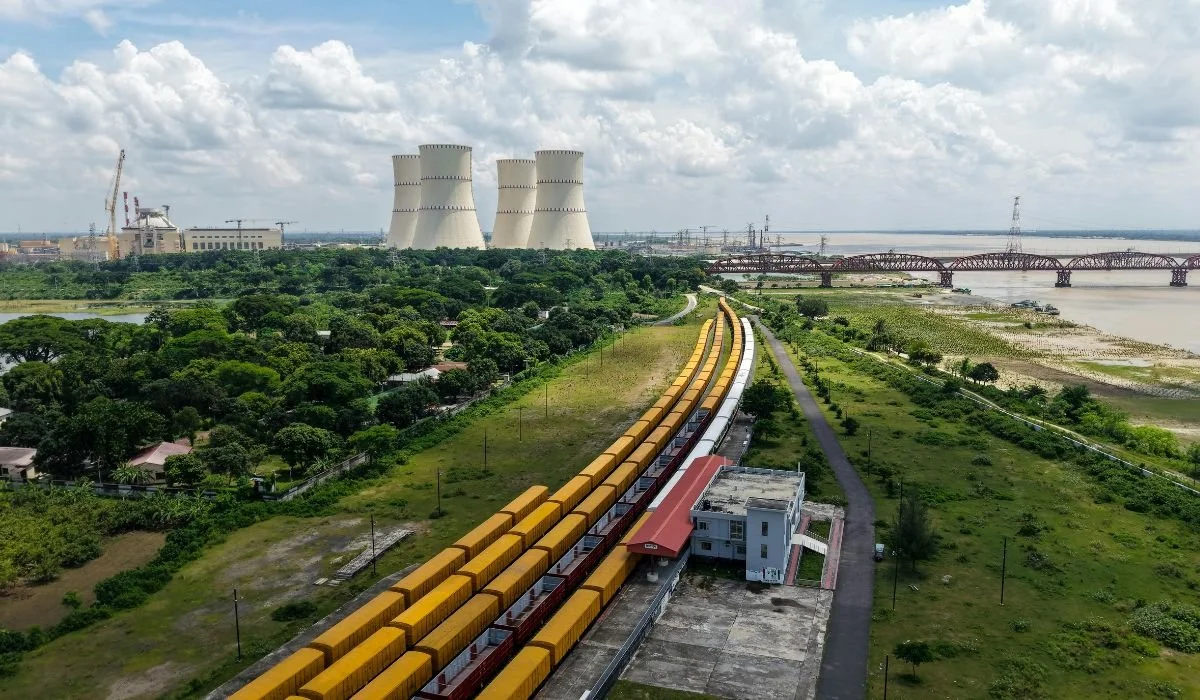
Every year, thousands of tons of radioactive material must be safely stored or moved. Yet, despite decades of research and lawmaking, America still lacks a permanent solution for high-level waste. Understanding current practices and their limitations is essential for ensuring accountability and community safety.
Short-Term Storage Solutions
Spent Fuel Pools
After removal from a reactor, used fuel assemblies are placed in large, water-filled pools. The water cools the fuel and provides radiation shielding.
While originally meant for temporary cooling, many pools now serve as decades-long storage due to the absence of a national repository.
Dry Cask Storage
After about five years in pools, spent fuel can be transferred to dry casks—steel and concrete containers that passively cool and isolate waste.
Dry casks are designed to withstand extreme conditions, yet they remain interim solutions located on-site at power plants across the nation.
Transportation of Nuclear Waste
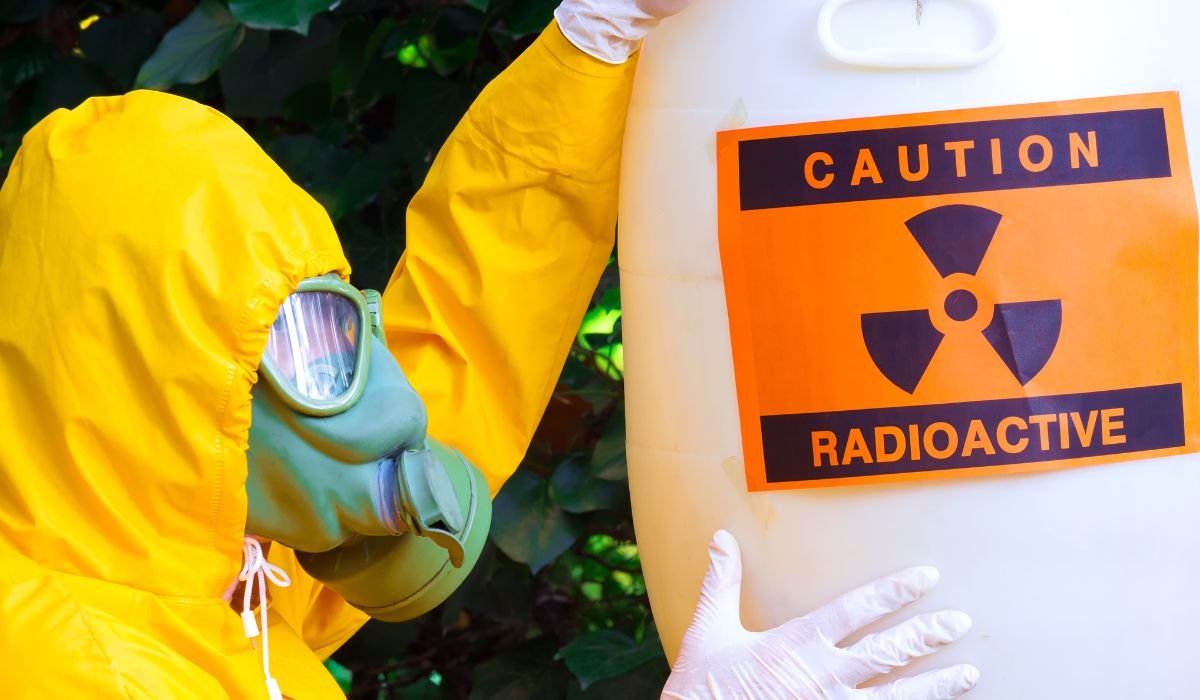
Moving radioactive waste requires exceptional care. Federal agencies like the Department of Transportation (DOT) and Nuclear Regulatory Commission (NRC) oversee every step, including:
Shielded shipping containers designed to survive accidents
Strict routing requirements to minimize population exposure
Emergency response training for state and local agencies
Despite these safeguards, transport raises community concerns about accidents, terrorism, and long-term exposure during transit.
The Need for Consent-Based Storage
Some companies have proposed “interim storage” sites in states like Texas and New Mexico. However, both states—and their citizens—have opposed these projects, citing violations of the Nuclear Waste Policy Act and risks of de facto permanent storage without consent.
Consent-based siting means no community should be forced to host radioactive material without its approval and participation in decision-making.
Permanent Disposal: Still Undecided
The U.S. has yet to establish a deep geological repository, a scientifically supported long-term solution that would isolate waste for tens of thousands of years.
Until such a facility is built with public trust and lawful process, storage will remain temporary and fragmented.