What Is Nuclear Waste?
Understanding the Definition and Responsibility Behind It
Nuclear waste is one of the most misunderstood yet important topics in America’s energy conversation. While nuclear power provides reliable, carbon-free energy, it also creates radioactive byproducts that must be managed with extreme care with a long-term vision.
At Americans for Responsible Nuclear Waste (ARNW), our mission is to ensure that these materials are handled safely, transparently, and with the consent of the communities affected. This page breaks down the fundamentals of nuclear waste—what it is, where it comes from, and why responsible, permanent solutions are vital for our future.
What Is Nuclear Waste?
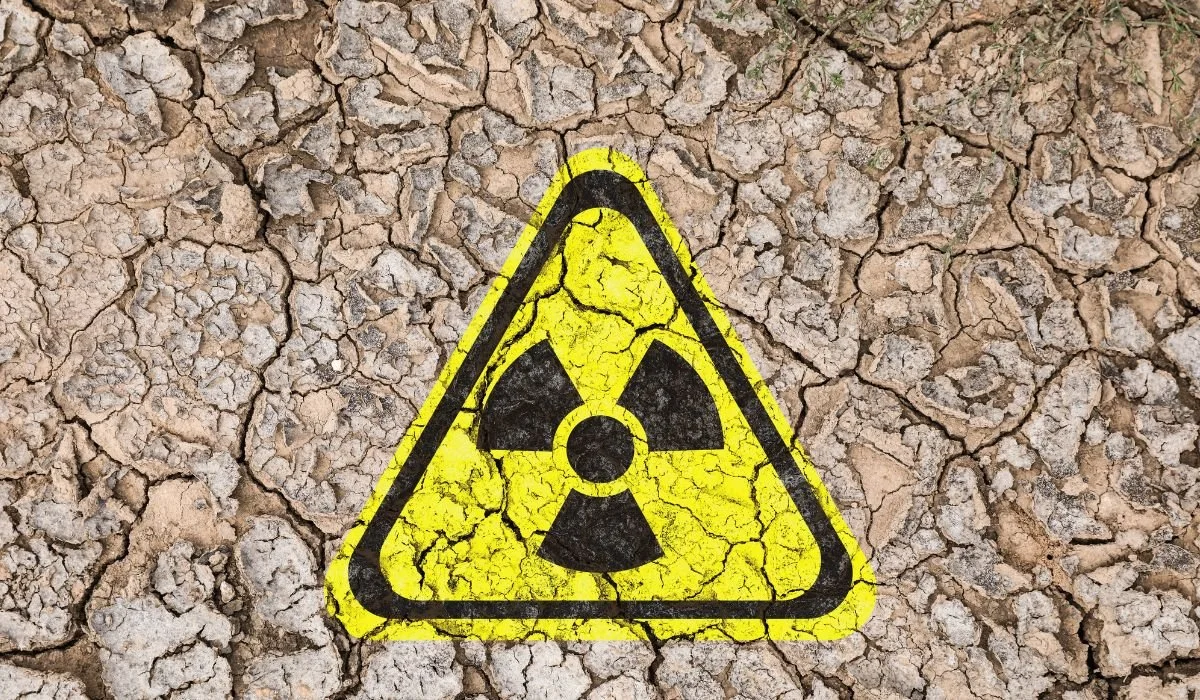
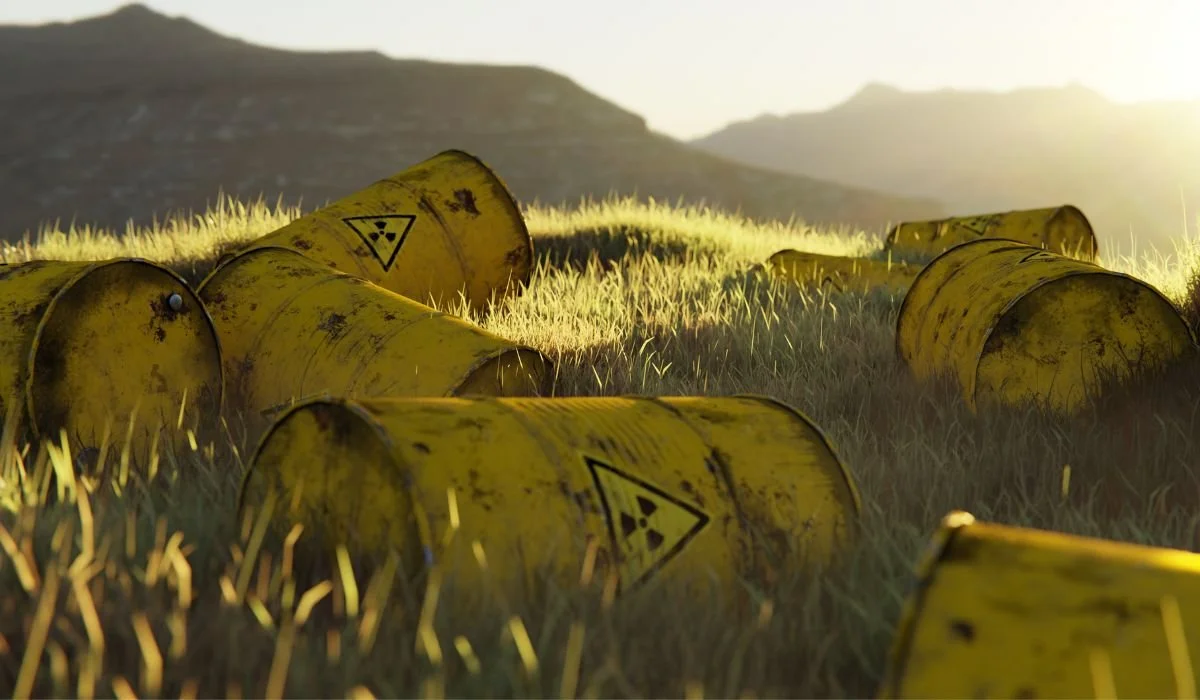
Nuclear waste refers to materials that remain radioactive and hazardous after being used in nuclear reactors, research facilities, medicine, or defense. These byproducts can remain dangerous for thousands of years, necessitating isolation from both people and the environment.
In simple terms, nuclear waste is any radioactive material that no longer serves a purpose but still emits radiation.
Why Responsible Action Matters
The nuclear waste issue affects not only energy policy but also public health, environmental justice, and intergenerational ethics.
Responsible stewardship requires:
Transparency: Clear communication about risks and decisions.
Accountability: Holding federal agencies to the law.
Collaboration: Empowering local voices in national decisions.
At ARNW, we believe responsible nuclear waste management protects both today’s communities and future generations.
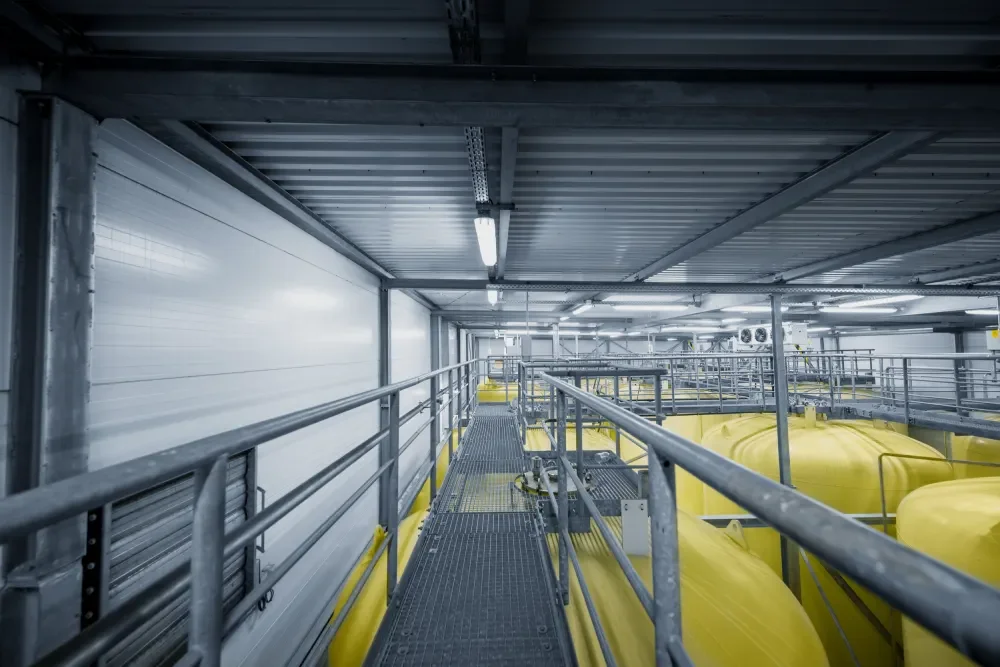
Nuclear waste is produced through multiple activities:
Energy Generation: Spent fuel rods from commercial reactors.
Medical and Research Applications: Radioactive materials used in diagnosis and treatment.
Defense Programs: Byproducts of nuclear weapons manufacturing and testing.
Industrial Use: Gauges, tracers, and sterilization processes.
While the energy and scientific benefits are significant, the waste legacy requires equally significant responsibility.
Where Does Nuclear Waste Come From?
The Challenges of Nuclear Waste Management
Managing nuclear waste is not only a scientific challenge but also a political and ethical one. The key issues include:
Lack of permanent disposal solutions in the U.S.
Communities being targeted without consent.
Risks of long-term contamination of land and groundwater.
Security concerns over storage and transportation.
Americans for Responsible Nuclear Waste advocates for consent-based siting, community involvement, and adherence to the Nuclear Waste Policy Act, ensuring that no region bears this burden without agreement or benefit.
Current Storage and Long-Term Solutions
Today, most high-level nuclear waste in the U.S. sits in temporary pools or dry casks at reactor sites—never intended as permanent solutions.
Future approaches being discussed include:
Deep Geological Repositories: Isolating waste deep underground in stable rock formations.
Reprocessing and Recycling: Recovering usable materials from spent fuel.
Advanced Monitoring Technologies: Ensuring long-term safety and traceability.
However, none of these should move forward without state and local consent and transparent regulatory oversight.
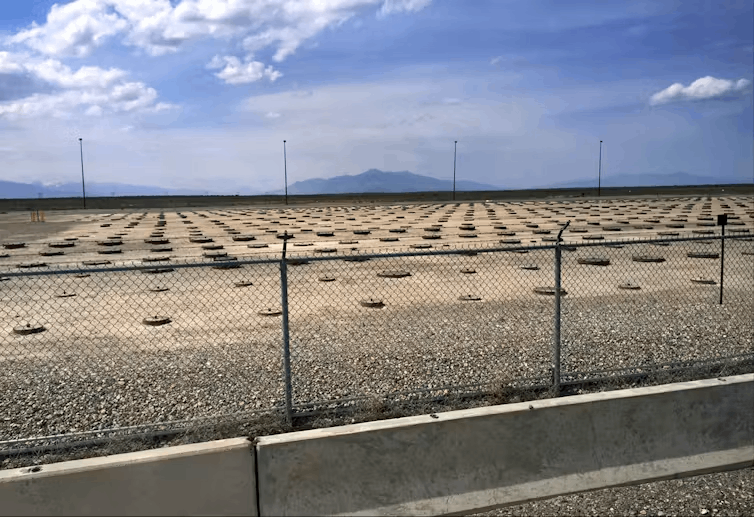
What is nuclear waste? How dangerous is it? Where is it?