Interim vs Permanent Nuclear Waste Storage: Why the Difference Matters
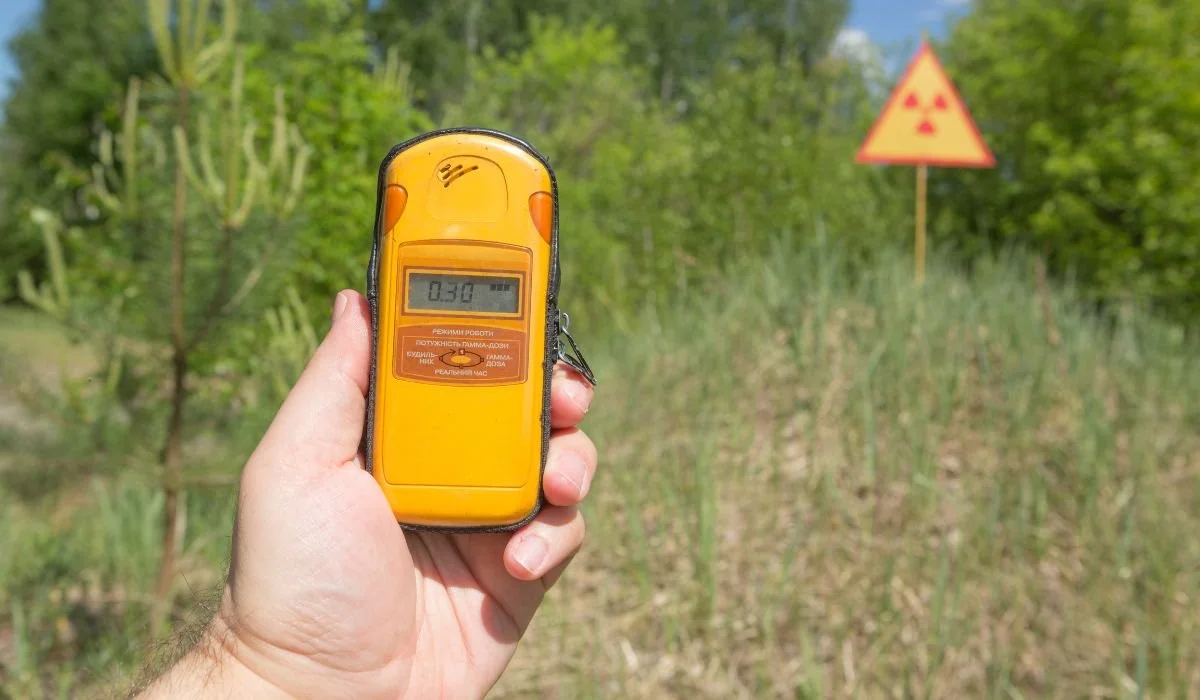
The United States faces a growing nuclear waste crisis—not because of technology, but because of policy and accountability. While federal law calls for the permanent disposal of high-level radioactive waste, most of America’s nuclear material sits in temporary “interim” storage, often at reactor sites never meant for long-term containment.
At Americans for Responsible Nuclear Waste (ARNW), we believe the distinction between interim and permanent storage is critical to protecting communities, maintaining legal integrity, and ensuring real solutions—not indefinite stopgaps.
What Is Interim Nuclear Waste Storage?
Interim storage refers to temporary containment of nuclear waste until a permanent repository becomes available. These facilities—or on-site systems—are meant to store spent nuclear fuel safely for years or decades, not millennia.
Current forms of interim storage include:
Spent fuel pools: Underwater basins that cool newly removed fuel.
Dry cask storage: Sealed steel and concrete containers used for passive cooling.
Proposed centralized interim sites: Private or federal facilities designed to consolidate spent fuel from across the nation.
While these systems prevent immediate risk, they were never intended to serve as the nation’s long-term solution.
The Problem with “Temporary” Solutions
Without a clear exit plan, interim storage sites can quickly become de facto permanent.
When waste sits for decades with no timeline for removal, the distinction between “temporary” and “permanent” loses meaning.
Key risks include:
Aging infrastructure: Casks and canisters have limited lifespans and require replacement.
Security threats: More storage locations increase exposure to theft or attack.
Environmental hazards: Extended on-site storage raises long-term contamination risks.
Regulatory limbo: Sites remain active without the oversight standards required of permanent repositories.
Communities hosting these materials often carry the burden without the consent, funding, or safeguards required by law.
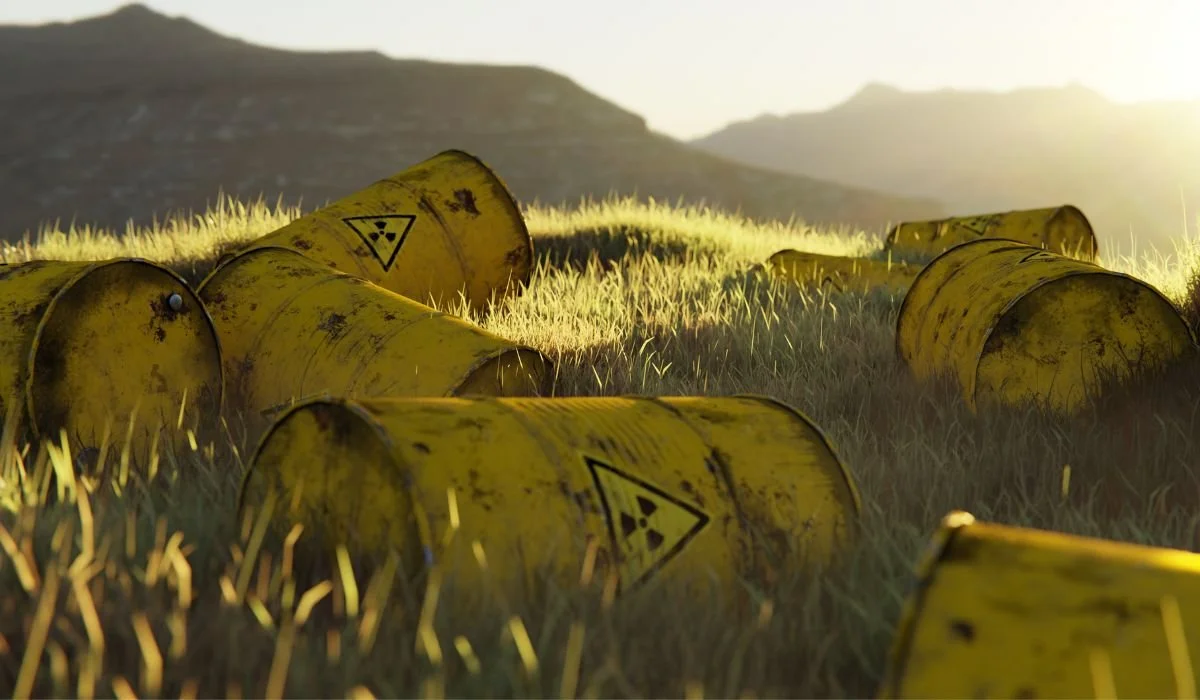
What Is Permanent Nuclear Waste Disposal?
Permanent disposal means isolating radioactive materials deep underground in geologically stable formations designed to remain intact for tens of thousands of years.
These facilities—known as deep geological repositories—are engineered to prevent radiation from escaping into the environment.
Essential features of permanent disposal include:
Multi-barrier containment systems (engineered + natural)
Long-term monitoring and data transparency
Scientific validation of site stability
Legal compliance under the Nuclear Waste Policy Act (NWPA)
Countries like Finland and Sweden are moving forward with these repositories, while the U.S. remains stalled after the Yucca Mountain project was canceled.
The Nuclear Waste Policy Act: Law vs. Reality
The Nuclear Waste Policy Act (NWPA) of 1982 explicitly mandates permanent federal disposal of high-level radioactive waste.
It requires:
A federal repository developed through scientific review and public consent.
Prohibition of unauthorized private facilities for long-term disposal.
State and local involvement in siting and review processes.
However, because no permanent repository exists, the Nuclear Regulatory Commission (NRC) has continued to issue licenses for private interim sites, such as:
Interim Storage Partners (Texas)
Holtec International (New Mexico)
Both licenses were challenged for violating the NWPA and were ultimately blocked by federal courts.
These rulings reaffirm a simple truth: interim cannot become permanent, especially without consent.
Risks of Relying on Interim Storage
1. Lack of Exit Plan
Temporary facilities often have no clear timeline or destination for waste relocation. This creates a perpetual cycle of deferral, where interim storage becomes the default “solution.”
2. Transportation Hazards
Moving waste multiple times—from reactor sites to interim facilities, then to a final repository—doubles the risk of accidents, exposure, and contamination during transit.
3. Inequitable Burdens
Many interim storage proposals target rural or economically disadvantaged regions, asking them to shoulder national waste without local benefit or approval.
4. Legal Noncompliance
By definition, indefinite storage at “temporary” sites violates the intent and letter of the NWPA. The law calls for a federal, permanent solution, not private, profit-driven stopgaps.
Why Consent Matters
Consent-based siting is more than a talking point—it’s the foundation of ethical nuclear waste policy.
Communities must be able to:
Review environmental and safety data
Understand the risks and long-term implications
Accept or reject storage proposals through lawful processes
Without consent, even the safest facility undermines public trust and violates the social contract that the NWPA was designed to protect.
A Path Forward: Responsibility, Not Convenience
The U.S. must move from interim complacency to permanent responsibility.
That means:
Enforcing the Nuclear Waste Policy Act
Halting the expansion of de facto permanent interim sites
Investing in permanent geological disposal supported by science and consent
Engaging communities with transparency, data, and respect
Temporary storage may solve today’s problem—but it creates tomorrow’s crisis.