What Is Nuclear Waste? Definition, Types & Why It Matters
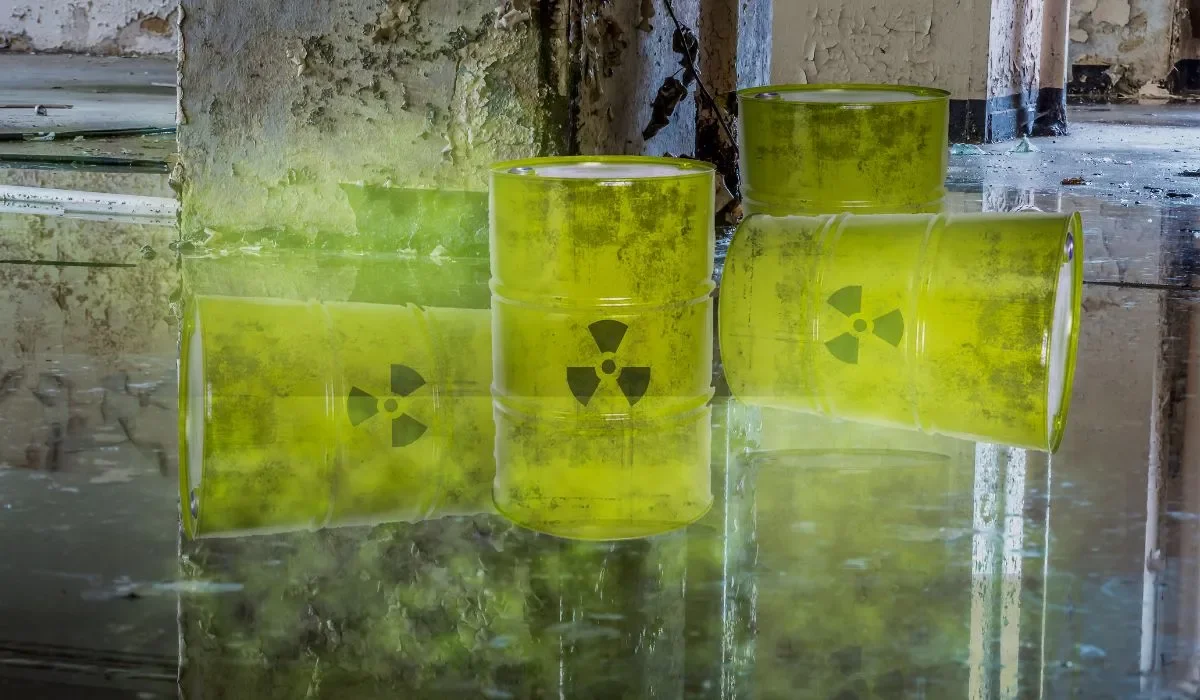
Nuclear waste—also known as radioactive waste—refers to materials that remain radioactive and hazardous after being used in nuclear power generation, medicine, research, or national defense. These materials can emit radiation for thousands of years, making their safe handling, transport, and storage one of the most critical environmental and public policy issues in the United States today.
At Americans for Responsible Nuclear Waste (ARNW), we advocate for transparent, consent-based solutions that protect both communities and future generations. To understand why responsible management matters, let’s start by defining what nuclear waste really is and where it comes from.
Defining Nuclear Waste
In simple terms, nuclear waste is any material that is no longer useful but still emits harmful radiation. It can take solid, liquid, or gaseous forms, depending on how and where it was produced.
Most nuclear waste is generated during the nuclear fuel cycle—from uranium mining and fuel fabrication to energy generation in reactors and the eventual disposal of spent fuel. The U.S. currently stores this waste at over 70 sites across the country, with no permanent disposal facility in operation.
Types of Nuclear Waste
Nuclear waste is categorized by its radioactivity level, heat generation, and longevity. The three main types are:
1. Low-Level Waste (LLW)
LLW includes materials such as clothing, tools, and filters that have been exposed to radiation but contain only small amounts of radioactive material. It makes up about 90% of the total volume of radioactive waste but contributes a small fraction of total radioactivity. LLW is typically disposed of in near-surface facilities designed for short-lived materials.
2. Intermediate-Level Waste (ILW)
ILW is more radioactive than LLW and requires shielding during handling and transport. Examples include reactor components, chemical sludge, and resins used in water purification systems.
Because ILW can remain hazardous for thousands of years, it requires engineered containment systems and long-term monitoring.
3. High-Level Waste (HLW)
HLW is the most radioactive form of nuclear waste. It mainly consists of spent nuclear fuel removed from reactors after it can no longer efficiently sustain a nuclear reaction.
This waste generates intense heat and radiation, requiring cooling and isolation for thousands of years. HLW management involves technologies like vitrification—the process of immobilizing waste by turning it into a stable glass-like solid—to prevent leakage or environmental contamination.
Special Categories of Nuclear Waste
Spent Nuclear Fuel (SNF): Used reactor fuel assemblies that have been removed from nuclear power plants. Although highly radioactive, they still contain valuable materials that can potentially be recycled.
Transuranic Waste: Materials contaminated with elements heavier than uranium, often generated by defense programs.
Fuel Cycle Waste: Byproducts from each stage of the nuclear fuel process—from uranium mining to reprocessing.
How Nuclear Waste Is Managed and Stored
The U.S. employs several short-term storage methods until a permanent solution is established:
Spent Fuel Pools: Deep, water-filled basins that cool freshly removed reactor fuel and shield radiation.
Dry Cask Storage: Large steel and concrete containers used for older, cooler spent fuel.
Interim Storage Sites: Temporary facilities that hold waste until a permanent geological repository is available.
While these methods provide temporary safety, none are designed for permanent disposal. The long-term plan—to store HLW deep underground in stable rock formations—has been stalled for decades due to political, legal, and community opposition.
Nuclear Waste Disposal and Long-Term Safety
A permanent disposal site would require isolation from the biosphere for up to 10,000 years or more. Current research focuses on:
Geologic repositories (e.g., deep boreholes in stable rock layers)
Waste immobilization through vitrification and solidification
Advanced monitoring systems to detect leaks or radiation hazards
These solutions must be accompanied by strict regulatory oversight and community consent to ensure long-term trust and safety.
Risks of Improper Nuclear Waste Management
If not properly contained, radioactive waste can lead to:
Radioactive contamination of soil and groundwater
Radiation hazards for workers and nearby communities
Security risks from potential theft or terrorism
Loss of public trust in nuclear energy and government institutions
The consequences are not only environmental but social and economic, impacting property values, agriculture, and local industries.
Regulation and Federal Policy
The handling, transportation, and disposal of nuclear waste are tightly regulated under U.S. law, primarily through:
The Nuclear Waste Policy Act (1982): Establishes the federal government’s responsibility to develop permanent disposal solutions.
Nuclear Regulatory Commission (NRC): Oversees licensing, safety, and environmental protection for all nuclear waste activities.
Department of Energy (DOE): Manages federal waste storage and disposal programs.
Despite decades of mandates, the U.S. still lacks a permanent repository, leaving waste stranded at reactor sites across the country.
Why Responsible Action Matters
The nuclear waste issue is not only about technology—it’s about ethics, consent, and long-term responsibility.
At ARNW, we believe that no state or community should be forced to host nuclear waste against its will. True responsibility means:
Upholding consent-based siting for storage and disposal facilities
Ensuring transparency in government and industry decisions
Prioritizing environmental justice and public health
Responsible nuclear waste management protects today’s communities and secures a safer future for generations to come.