Where Is Nuclear Waste Stored Now? Understanding America’s Temporary Fix
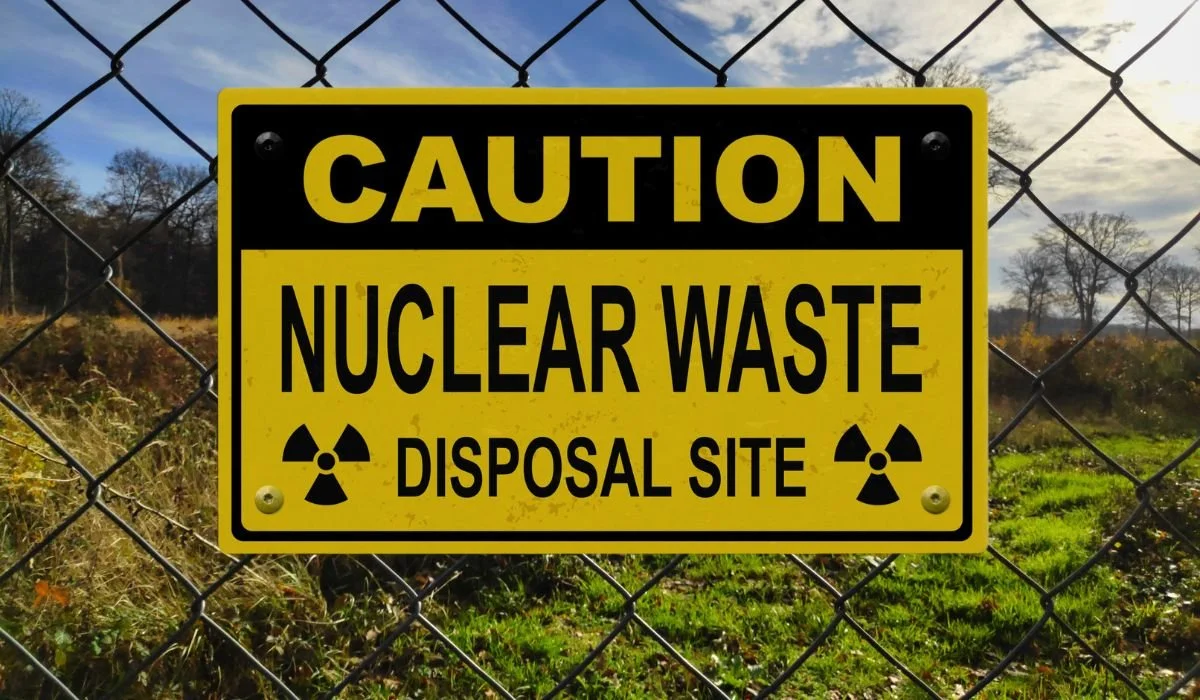
After decades of producing nuclear energy and weapons materials, the United States still has no permanent repository for its high-level radioactive waste.
As a result, the vast majority of nuclear waste—especially spent nuclear fuel—remains stored on-site at the very facilities where it was created. These sites were never meant to be long-term storage solutions, yet they now hold the nation’s most hazardous materials.
How Nuclear Waste Is Stored Today
1. On-Site Storage at Reactor Sites
Currently, commercial nuclear reactors across 33 states store their spent fuel on-site. When fuel rods are removed from the reactor, they are placed in spent fuel pools, where water cools and shields them from radiation.
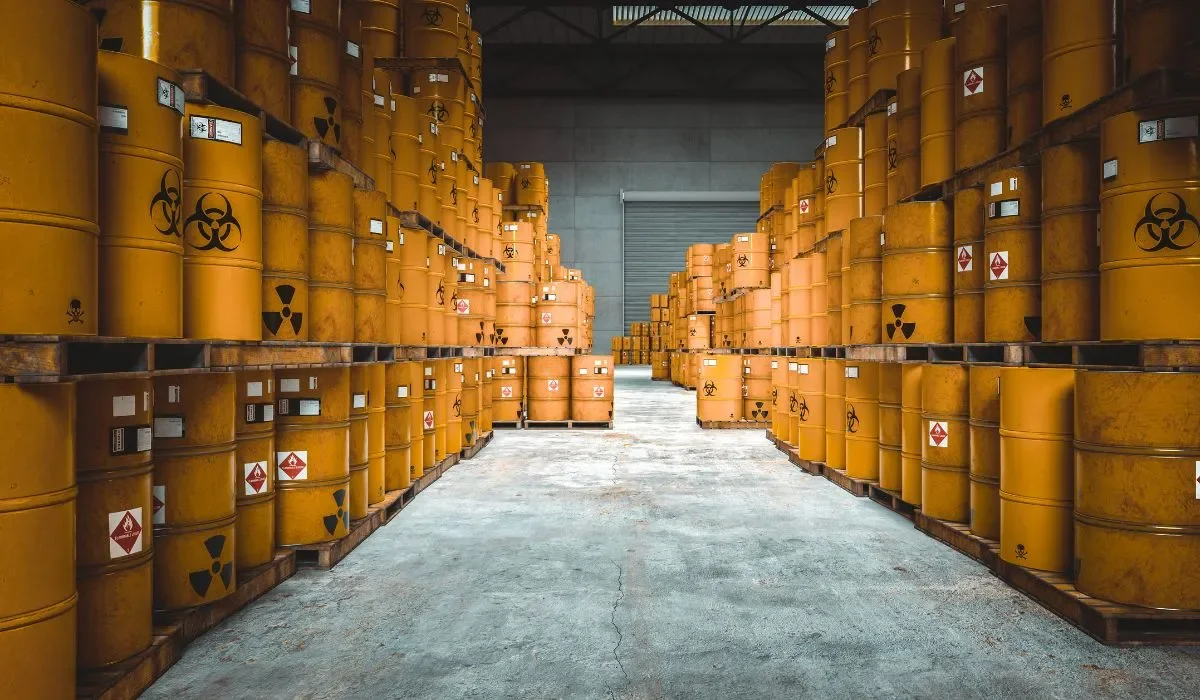
After several years, when the fuel is less hot but still highly radioactive, it is transferred into dry cask storage—large, sealed steel containers encased in concrete. These casks are designed for stability and protection but are temporary by nature.
Each of these reactor sites has effectively become a de facto nuclear waste storage facility, even though none were originally intended for this purpose.
2. Federal Facilities and Defense Waste Sites
In addition to commercial sites, the U.S. Department of Energy manages defense-related waste at locations like:
Hanford Site (Washington): Stores millions of gallons of liquid waste from weapons production.
Savannah River Site (South Carolina): Handles defense waste and vitrification research.
Idaho National Laboratory (Idaho): Houses transuranic and research waste.
These facilities were developed for defense cleanup, not long-term disposal, and continue to store hazardous material on an interim basis.
3. The Canceled Yucca Mountain Project
For decades, Yucca Mountain in Nevada was intended to become America’s first federal nuclear waste repository. Billions were spent studying and developing the site.
However, due to scientific concerns, political opposition, and lack of state consent, the project was canceled in 2010. With Yucca Mountain off the table, the U.S. has no designated permanent disposal facility, leaving utilities and federal agencies to rely on patchwork storage solutions.
Interim Storage Proposals: Texas and New Mexico
Interim Storage Partners (ISP) – Andrews County, Texas
A private consortium sought to build an interim storage facility in West Texas, designed to hold up to 40,000 metric tons of spent fuel. The proposal faced significant opposition from state officials, local leaders, and residents due to concerns about permanent storage without consent.
In 2023, the Fifth Circuit Court of Appeals ruled that the NRC lacked authority to issue a license for the project under the Nuclear Waste Policy Act, marking a major win for state sovereignty and environmental protection.
Holtec International – New Mexico
Holtec proposed a similar private interim storage site near Carlsbad, New Mexico. Like Texas, the state’s governor and legislature opposed it, citing the same issues of consent, safety, and violation of federal law.
New Mexico passed legislation prohibiting such storage without full federal cleanup of existing defense waste and explicit state consent—a stance strongly supported by ARNW and partner organizations across the region.
Current Storage Landscape
Today, over 80,000 metric tons of spent nuclear fuel are stored at more than 70 locations nationwide.
These include:
Operating reactors
Decommissioned reactor sites still holding waste
Federal cleanup sites under DOE management
This patchwork system poses logistical and safety challenges, especially as many casks approach the end of their certified lifespans.
The Difference Between Temporary and Permanent Storage
On-Site Pool Storage
Purpose: Short-term cooling
Duration: 5–10 years
Example: Reactor spent fuel pools
Dry Cask Storage
Purpose: Medium-term, passive cooling
Duration: 20–100 years
Example: Reactor-independent casks
Interim Storage Facilities
Purpose: Centralized temporary sites
Duration: Up to several decades
Example: Proposed ISP (TX) & Holtec (NM)
Permanent Repository
Purpose: Deep geological disposal
Duration: Tens of thousands of years
Example: (None currently in the U.S.)
Without a permanent repository, each stopgap solution simply extends the clock on a problem that continues to grow every year.
Risks of Transporting and Consolidating Waste
Moving waste to interim facilities hundreds of miles away carries serious risks:
Radiation exposure to communities along shipping routes
Security concerns related to terrorism or sabotage
Environmental and economic disruption near proposed sites
For these reasons, ARNW advocates for responsible, consent-based management that prioritizes local safety and compliance with the Nuclear Waste Policy Act.
Funding and Accountability
Utilities and taxpayers contribute billions to the Nuclear Waste Fund, originally intended to support federal disposal efforts. However, with no repository in place, this money largely sits unused while communities bear the burden of indefinite storage.
Transparency and legislative reform are essential to ensure these funds are used for lawful, science-based, and community-approved solutions.
The Path Forward
Until the U.S. establishes a permanent repository that meets both scientific and consent-based standards, nuclear waste will remain scattered at temporary storage sites across the country.
Americans for Responsible Nuclear Waste (ARNW) calls for:
Full compliance with federal law
State and local consent before any storage siting
Long-term investment in secure, monitored containment
Public transparency about risks and plans
This is not just an energy issue—it’s a matter of public trust, environmental justice, and intergenerational responsibility.