The Nuclear Fuel Cycle: From Energy Creation to Long-Term Responsibility
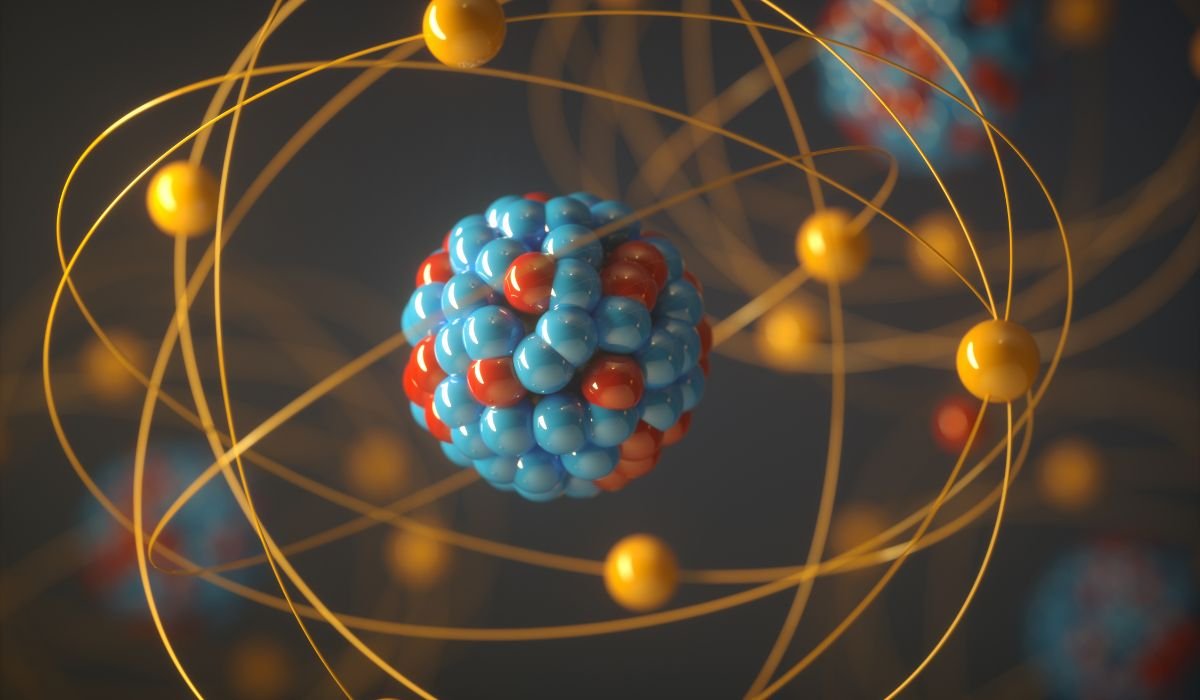
The nuclear fuel cycle describes the journey of nuclear material—from mining uranium to generating power, managing radioactive waste, and planning for permanent disposal. Understanding this cycle is crucial to making informed decisions about energy, safety, and environmental stewardship.
At Americans for Responsible Nuclear Waste (ARNW), we believe that a truly sustainable fuel cycle must account not only for energy production but also for responsible, consent-based waste management that protects communities and future generations.
1. Uranium Mining and Milling
The cycle begins with uranium mining, where ore is extracted from the earth through surface or underground methods. Once mined, uranium is milled into a concentrated powder called yellowcake (U₃O₈).
Mining often occurs in rural or Indigenous areas, where contamination and inadequate cleanup have left lasting scars on communities and ecosystems. Responsible policies must include environmental remediation and consent from affected populations.
2. Conversion and Enrichment
The yellowcake is converted into uranium hexafluoride gas (UF₆), which is then enriched to increase the concentration of the fissile isotope U-235—the material capable of sustaining a nuclear chain reaction.
After enrichment, uranium is turned into small ceramic pellets and loaded into fuel rods during the fuel fabrication stage. These rods are bundled into assemblies that power nuclear reactors across the U.S.
3. Reactor Use and Energy Generation
Inside the reactor, enriched uranium undergoes fission, splitting atoms to release heat and energy. This heat produces steam, which drives turbines and generates electricity.
While nuclear energy is carbon-free and highly efficient, it also produces radioactive byproducts that remain dangerous for thousands of years.
After several years of use, fuel assemblies lose efficiency and must be replaced—becoming spent nuclear fuel, a form of high-level nuclear waste.
4. Spent Fuel Storage: The Interim Phase
Once removed from a reactor, spent nuclear fuel is intensely radioactive and generates heat. It is first placed in spent fuel pools for cooling and shielding.
After several years, it can be transferred to dry cask storage, a passive, sealed system used for interim storage.
These casks, found at nearly every U.S. reactor site, were designed for short-term containment—but with no permanent disposal facility, they have become the nation’s default long-term storage solution.
5. Reprocessing and Recycling (Abroad vs. U.S.)
Some countries, including France and Japan, reprocess spent fuel to recover usable uranium and plutonium, reducing the amount of waste that requires disposal.
In the United States, however, reprocessing has been largely abandoned due to proliferation risks and economic challenges.
While recycling can minimize waste volume, it still leaves behind highly radioactive residues requiring secure, long-term isolation.
6. Permanent Disposal and the Search for a Solution
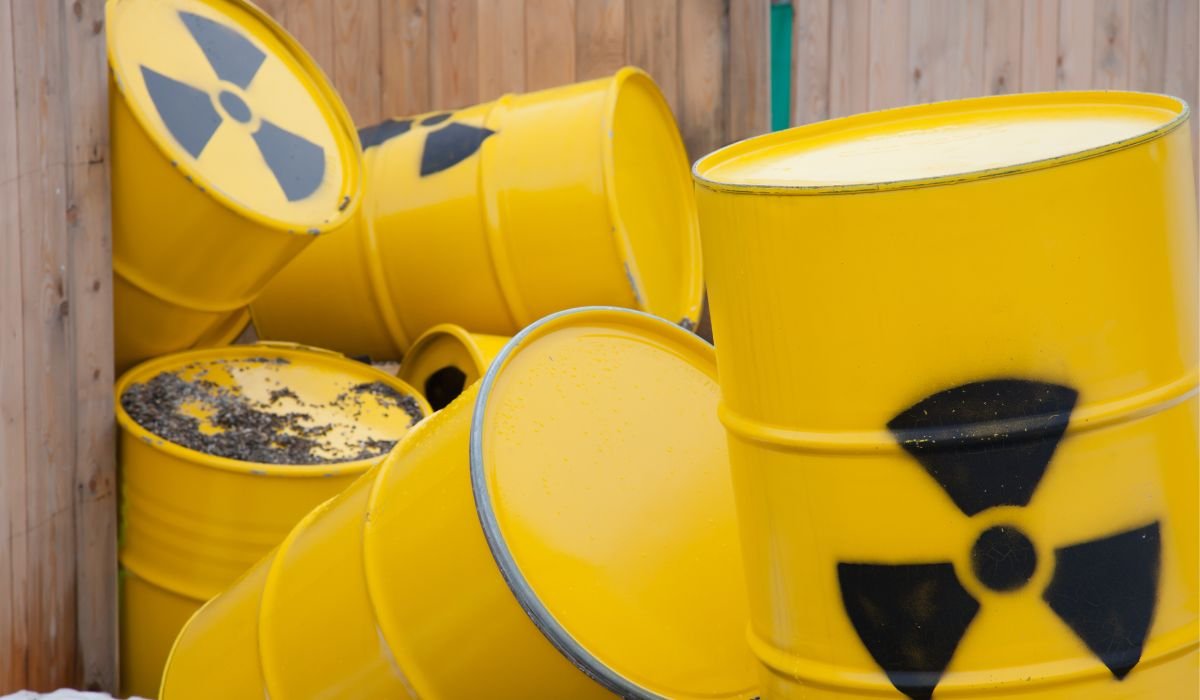
The final stage of the fuel cycle should be permanent disposal—isolating waste in deep geological repositories where radiation cannot harm people or the environment.
However, the U.S. has yet to open such a facility.
Under the Nuclear Waste Policy Act (NWPA), the federal government is responsible for developing this permanent repository through a consent-based process. Despite this, political impasses and community opposition have stalled progress for decades.
As a result, nuclear waste remains stranded at more than 70 sites nationwide, awaiting a solution that aligns with both scientific integrity and legal compliance.
7. The Role of Consent-Based Nuclear Policy
Consent is at the heart of responsible nuclear management.
The NWPA mandates that waste siting decisions must involve state and local participation, not unilateral federal or private decisions.
Projects like the proposed interim storage sites in Texas (ISP) and New Mexico (Holtec) were challenged and halted because they violated these consent-based principles.
True progress means respecting the law and listening to the communities expected to bear the long-term burden.
8. Closing the Loop: Responsibility Beyond Energy
The nuclear fuel cycle doesn’t end when power generation stops—it continues for millennia.
Each stage creates byproducts that must be monitored, contained, and ultimately disposed of safely.
A responsible approach requires:
Transparent federal oversight
Investment in permanent, science-based solutions
Legal compliance with the Nuclear Waste Policy Act
Consent and protection for impacted communities
Energy innovation is only sustainable when it includes ethical waste management.