Where Does Nuclear Waste Come From? Understanding Its Origins
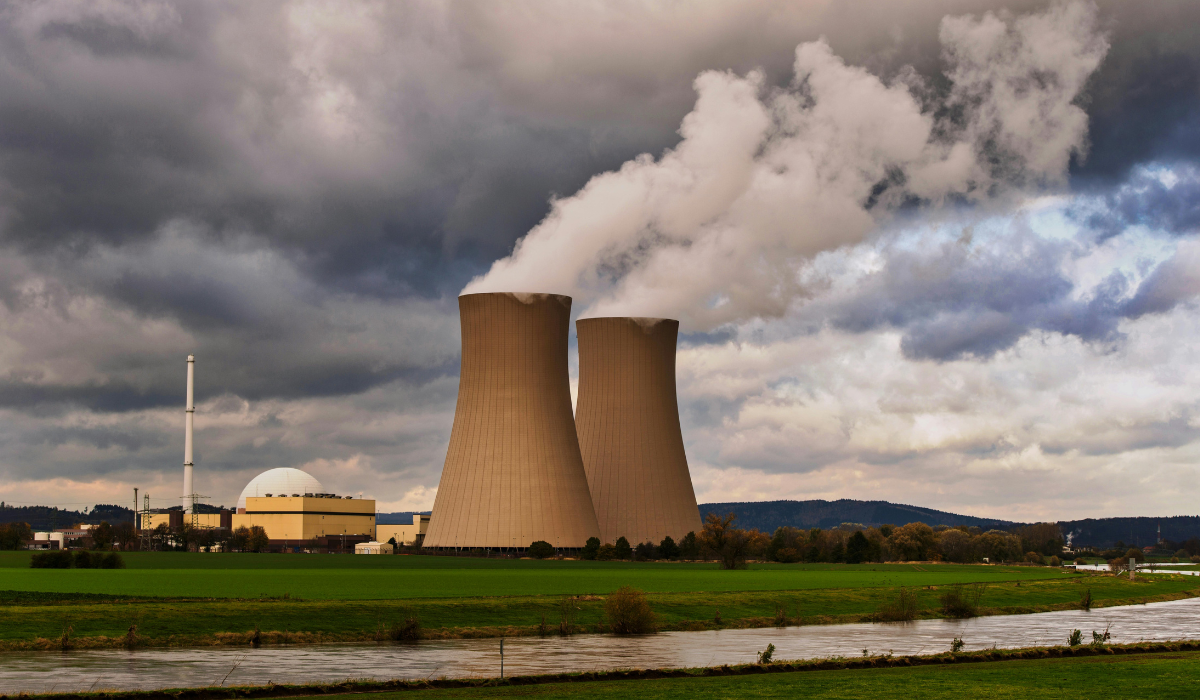
Nuclear waste is produced wherever nuclear technology is used—whether to generate power, advance science, or protect national security. Though the term often evokes nuclear power plants, radioactive waste comes from many sectors that benefit daily life. Understanding these origins helps Americans make informed decisions about energy policy, safety, and environmental stewardship.
1. Commercial Nuclear Energy
The largest share of nuclear waste comes from nuclear power plants. Inside each reactor, uranium fuel undergoes controlled fission, generating heat and radiation. After several years of operation, the fuel assemblies become less efficient and are removed, becoming spent nuclear fuel (SNF)—a form of high-level waste (HLW) that remains radioactive for millennia.
Each U.S. reactor site stores its spent fuel on-site in cooling pools or dry casks, since there is no federal repository currently available for permanent disposal.
2. Defense and Weapons Production
The nation’s nuclear defense programs have created millions of gallons of radioactive waste since World War II. This includes:
Transuranic waste from weapons manufacturing, contaminated tools, and facilities
Liquid waste from reprocessing and plutonium extraction
Residual contamination from weapons testing and uranium enrichment
Sites like Hanford (WA) and Savannah River (SC) remain among the most contaminated places in the U.S., underscoring the long-term consequences of inadequate disposal planning.
3. Research and Medical Applications
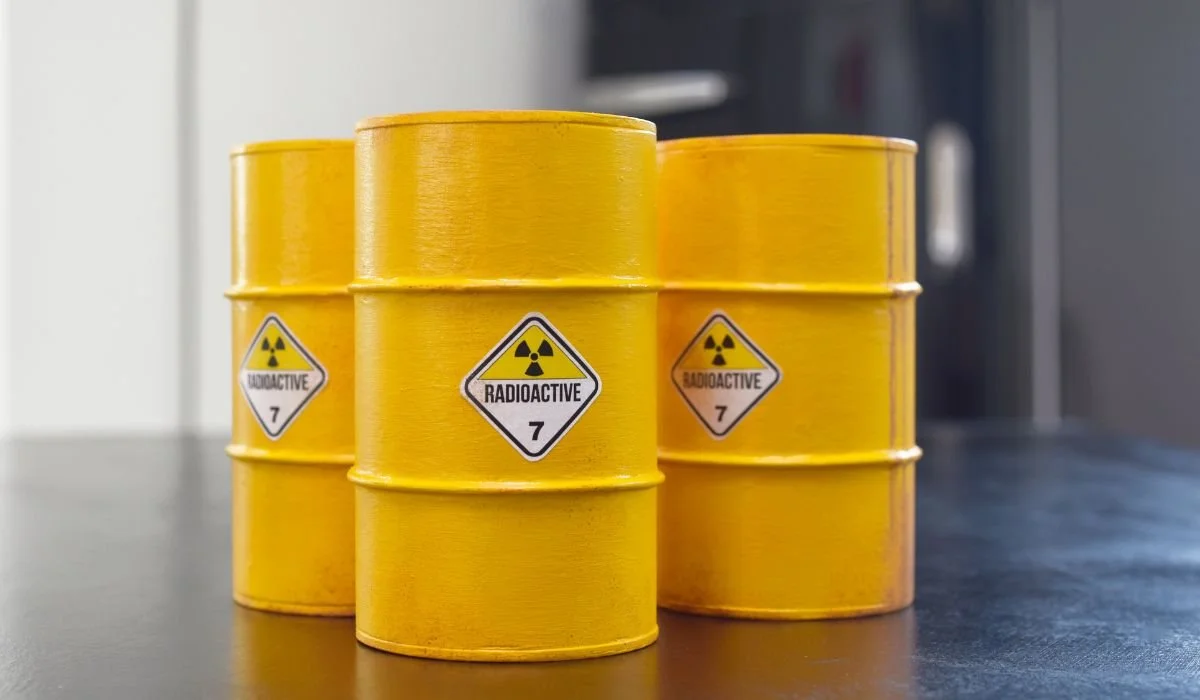
Radioisotopes play a critical role in modern medicine—diagnosing and treating diseases, sterilizing equipment, and performing cancer therapy. Once these materials decay or are no longer useful, they become low-level waste (LLW), requiring regulated disposal.
Similarly, universities, research reactors, and laboratories generate radioactive byproducts that must be safely managed under NRC oversight.
4. Industrial and Agricultural Use
Industries use radiation for tasks such as measuring material thickness, sterilizing food and packaging, and detecting leaks in pipelines. While quantities are smaller, these wastes are widely distributed and must be properly tracked and disposed of to prevent accidental contamination.
5. The Fuel Cycle
The nuclear fuel cycle includes:
Mining & Milling: Extracting uranium ore.
Conversion & Enrichment: Concentrating uranium for reactor use.
Fuel Fabrication: Making fuel rods.
Reactor Operation: Generating power.
Spent Fuel Storage or Reprocessing: Managing post-use materials.
Each stage generates some form of radioactive residue, creating complex regulatory challenges that span decades.